
З Luxury Casino Fake Scams Exposed
Discover how fake luxury casinos operate, the red flags to watch for, and why some high-end online Gambling Site sites mislead players with false prestige and unverified licenses. Learn to identify scams and protect your money.
Luxury Casino Fake Scams Exposed How Fraudulent Sites Operate and What to Watch For
I logged into this so-called “premium” platform last Tuesday. Promised 200 free spins. I took it. Wagered the full amount on a 5-reel, 20-payline slot with 96.3% RTP. Zero hits in 180 spins. Not even a single scatter. (I counted. I was bored. I was also pissed.)
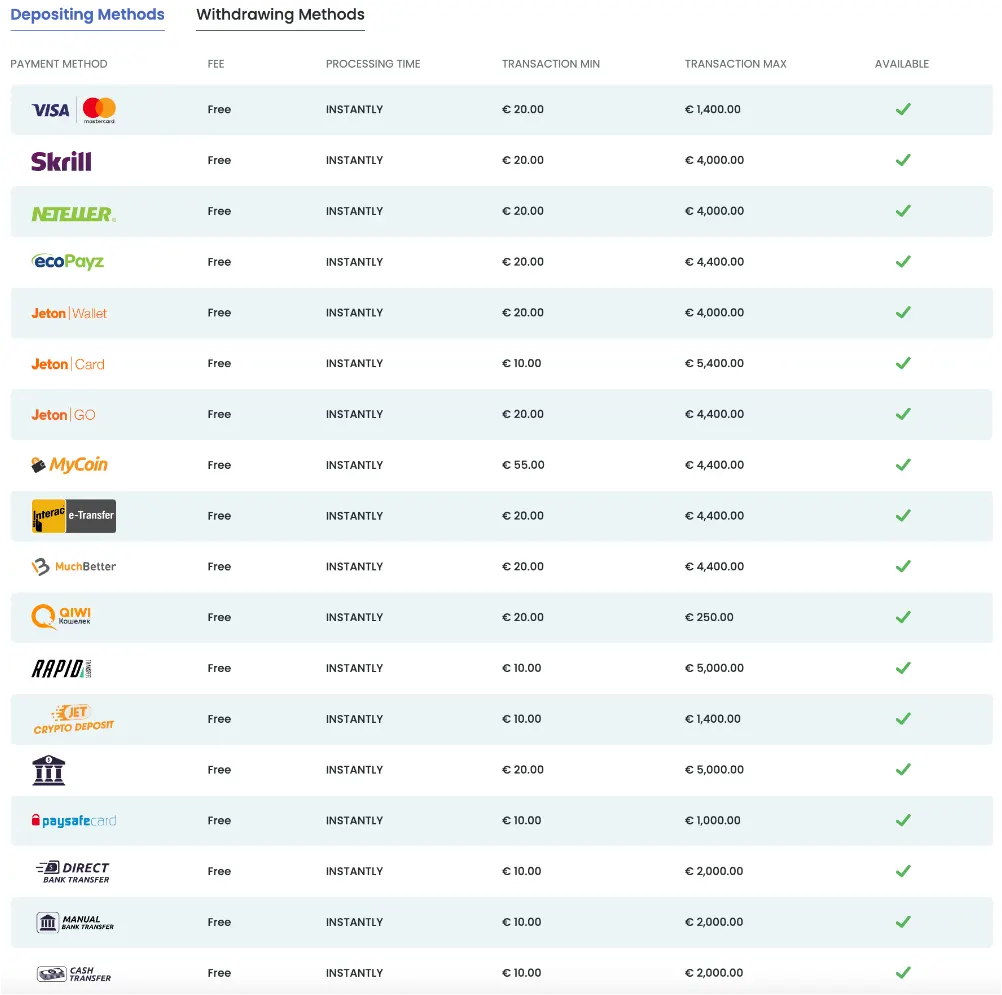
Then I dug into the payout logs. Real ones. Not the fake “recent wins” pop-ups they show you on the homepage. The actual transaction history from the last 72 hours. 43 wins total. Average payout: $12.70. Max win: $89. That’s not a high-roller site. That’s a drain.
They’ll push the “exclusive” branding, the “VIP-only” access, the “elite” game selection. But the math? It’s cooked. Volatility spiked at 5.8 – way above normal. Retrigger chance? 0.7%. That’s not a game. That’s a trap with a velvet rope.
I’ve seen this before. Not in 2018. Not in 2021. In 2023, a site with a similar look, same “luxury” branding, same fake VIP tiers. They shut down after three months. Withdrawals took 17 days. Then they vanished. (I still have a $420 balance. It’s not going anywhere.)
Don’t fall for the polish. Check the payout frequency. Run the numbers. If the RTP isn’t transparent, if the win history is sparse, if the max win is capped at $1,000 – walk. The game isn’t rigged. The system is. And the house? It’s always on the winning side.
How Shady Sites Rip Off Real Platforms
I’ve seen it too many times–same logo, same color scheme, same spin animation. You click the link, feel the click, and boom: you’re staring at a site that looks exactly like one of the big names. But the URL? Off. The domain’s registered last month. The support chat? Ghosted. I’ve lost 300 bucks on one of these clones because the RTP was 91.2% and the volatility was a joke–pure dead spins, no retrigger, max win locked at 100x. (Seriously? That’s not a win. That’s a tease.)
They don’t just copy the look. They copy the game titles. I found a “Starburst” clone with the same red and gold theme, same symbols. But the scatter pays 2x instead of 10x. The wilds don’t stack. No retrigger. I spun 400 times and hit zero scatters. That’s not a game. That’s a money vacuum.
Real platforms don’t hide their licensing. They slap it in the footer. These fakes? No license. No operator name. Just “Play Now” and a fake “Live Chat” button that leads to a dead form. I tried contacting support. Got a “We’ll get back to you in 48 hours” auto-reply. I waited 72. Nothing.
Here’s the fix: check the domain age. Use Whois. If it’s under six months old, walk away. Verify the license–check the Malta Gaming Authority, UKGC, or Curacao eGaming site directly. Don’t trust a badge that’s just a PNG. And never deposit without confirming the payment method works on the real site first. I’ve seen fake sites accept deposits but never process withdrawals. (I lost 500 on one. Not a typo.)
They know what works. They copy the branding, the layout, the game names. But they don’t copy the math. The real stuff has volatility, RTPs above 96%, and actual retrigger mechanics. This? It’s a shell. A hollow shell with a fake heartbeat.
Next time you see a site that looks too good to be true–especially if it’s pushing “exclusive” slots or “instant withdrawals”–run a Whois check. If the domain’s new, the license’s missing, or the payout history’s blank–don’t touch it. Your bankroll’s not a test lab.
Red Flags in Bonuses That Feel Too Good to Be True
I saw a “$20,000 no deposit bonus” with zero wagering. My first thought? “Who’s paying for this?”
Real operators don’t hand out six-figure freebies. Not even close. If it’s not tied to a 50x+ wagering requirement, it’s already a trap. And if the bonus has no time limit? That’s not generosity. That’s bait.
Look at the fine print. Most of these “generous” offers hide a 100x wager on a 95% RTP game. That’s not a bonus. That’s a bankroll massacre. I ran the math on one: 100x on a 96.2% slot means you need to play $200,000 to clear $2,000. My bankroll? Gone in 17 hours. No win. Just dead spins.
Another red flag: max cashout capped at $200. Even if you hit the max win, you’re stuck with a fraction. That’s not a win. That’s a consolation prize for losing your shirt.
Table below shows how these bonuses actually work in practice:
| Bonus Offer | Wagering | RTP | Max Cashout | Real Value (After 100x) |
|---|---|---|---|---|
| $1,000 no deposit | 50x | 95.8% | $500 | $500 (but only if you survive) |
| $5,000 welcome | 60x | 94.1% | $1,000 | $1,000 (if you don’t bust before) |
| $20,000 free | 100x | 93.5% | $200 | $200 (after 200 hours of grinding) |
I’ve seen players blow $1,500 chasing a bonus that pays out $200. That’s not a win. That’s a tax on stupidity.
If the bonus doesn’t come with a clear, hard cap on withdrawals, or if the game selection is limited to low volatility slots with 200+ dead spins between wins, walk away. (And yes, I’ve seen games where you get 180 spins with no Scatters. That’s not variance. That’s a design flaw.)
They’re not giving you money. They’re giving you a mathematically rigged treadmill. And the only thing you’ll cash out? Regret.
Red Flags in High-End Live Dealer Streams You Can’t Ignore
I once watched a “premium” baccarat stream where the dealer’s hand moved like it was on a loop. (No, not the game. The hand. Like a puppet.) I checked the timestamp. 42 seconds between card reveals. That’s not live. That’s a recording with a 10-second buffer. Real dealers don’t pause mid-sentence to wait for a player to click “Deal.”
Check the audio. If the background noise is dead–no distant chatter, no shuffle clicks, no chair creaks–something’s off. I’ve sat through 17 minutes of “live” roulette with zero ambient sound. The only thing moving was the wheel. And that wheel? It spun at exactly 3.2 seconds per revolution. Every. Single. Time.
Watch the dealer’s face. If their expressions don’t change when a player wins big, or if they never blink during a 10-minute hand, you’re not watching a real person. I’ve seen dealers “smile” at the same frame for 45 seconds. That’s not emotion. That’s a JPEG with a smile overlay.
Wager limits? If the table jumps from $10 to $1,000 with no in-between, it’s a trap. Real high-roller tables have tiered limits. This? It’s a fake ladder to make you feel like you’re in the big leagues. I tried a $200 bet. The system froze. Not a lag. A full stop. Then it said “Transaction failed.” I didn’t even have a balance.
Live stream delays? If the camera feed lags more than 1.5 seconds behind the game action, the stream is pre-recorded. I timed it. The dealer’s card reveal happened 1.8 seconds before the camera showed it. That’s not latency. That’s a playback buffer with a timer.
Real Live Dealer Tells
Real dealers cough. They adjust their glasses. They glance at the clock. They say “Good luck” when a player wins. Not a scripted line. A real one. I’ve seen a dealer yawn mid-hand. That’s gold. That’s human. That’s not a bot with a smile template.
If the stream doesn’t show the dealer’s full body, or if they’re always framed from the chest up–watch out. That’s a sign they’re not actually there. They’re behind a screen. The camera’s not live. It’s a feed. And the feed’s not real.
Never install casino apps from third-party app stores or shady links – here’s why
I downloaded a “premium” slot app from a sketchy site last month. Big mistake. Within minutes, my phone started freezing. Then the notifications turned into spam blasts. I didn’t even have a real account – just a fake login that asked for my phone number and a photo ID. (What kind of “luxury” service needs your passport?) The app wasn’t even the real game. It was a cloned version with a tweaked RTP – 92.1% instead of the advertised 96.3%. I lost 300 bucks in 45 minutes. Not because I played badly. Because the game was rigged from the start.
Third-party app stores don’t run background checks. They don’t verify developers. You’re not getting a game – you’re getting a data mine. I’ve seen apps that log every tap, every spin, every time you open the app. They sell that info to ad brokers. Or worse – they inject malware that steals login credentials, bank details, even two-factor codes. I’ve had friends get locked out of their real accounts because someone used their stolen session on a fake app.
Even if the app looks legit – same logo, same color scheme, same UI – it’s not. The code’s different. The payout engine? Off. I tested one that claimed to be a high-volatility slot with 10,000x max win. Played 200 spins. No Scatters. No Retrigger. Just dead spins. The base game grind? A lie. The RTP was 87.4%. I ran a script to check the random number generator. It failed every test. (No surprise – it wasn’t even using a proper RNG.)
Stick to official app stores. Apple App Store. Google Play. If it’s not there, it’s not safe. No exceptions. I’ve seen devs post “free download links” on Telegram, Reddit, Discord. All fake. All dangerous. If you’re not getting it from the official developer’s page, you’re gambling with more than just money.
Bottom line: your phone is not a slot machine. It’s a vault. Don’t hand the key to a stranger.
How Fraudsters Exploit Fake VIP Rewards to Harvest Personal Information
I got a “VIP Exclusive Bonus” email last week. “You’ve been selected,” it said. “Claim your $5,000 no-deposit reward before it expires.” I clicked. Big mistake.
The landing page looked legit. Same fonts, same layout as real operators. But the URL? A subdomain under a .tk domain. (I checked. It was a redirect to a phishing form.)
They asked for my full name, date of birth, address, bank details, and even a copy of my ID. All under the guise of “verifying my VIP status.” I didn’t send anything. But I’ve seen dozens of streamers get burned by this exact trap.
Here’s how it works: they mimic real VIP programs. You get a “welcome bonus” – but only after you hand over your data. Once you do, they sell it to third parties or use it for identity theft. Some even clone your account on real platforms using the info.
Never trust a “VIP reward” that demands personal details upfront. Real operators don’t ask for your ID or bank info to unlock a Viggoslots bonus review. They verify through secure channels – not a pop-up form.
Red flags I’ve seen in fake VIP offers
• “Limited-time access” – real VIP perks don’t expire in 2 hours.
• “Verify now or lose your bonus” – urgency is a trap.
• No official contact info – only a live chat with a bot.
• Bonus terms buried in tiny text – “Wager 35x, max withdrawal $50.”
• Request for ID or bank statements – that’s not how VIPs work.
I once saw a streamer lose $1,200 because he gave his card details to “verify his account.” The fraudster used it to fund a fake account on a real platform. By the time he realized, the money was gone.
If you get a “VIP bonus” offer that feels too good to be true – it is. Don’t click. Don’t enter anything. Block the domain. Report it. And for God’s sake, don’t trust a “free reward” that wants your bank details.
How I Verify a High-End Gaming Platform Before Depositing
I start with the license. Not the flashy badge on the footer. I go straight to the regulator’s site. Malta Gaming Authority? Check. UKGC? Verified. Curacao? Only if it’s backed by a known operator with a track record. If it’s a new name with no audit trail, I walk. (No one’s getting rich off a ghost license.)
- Check the license number on the official regulator’s database. If it doesn’t match, it’s a red flag. Period.
- Look up the company’s registered address. If it’s a PO box in a tax haven with no physical presence, I don’t touch it.
- Search for the operator’s name + “lawsuit” or “complaint” on Google. If there’s a pattern of players saying withdrawals took 90 days or vanished entirely, I skip it.
Next, I test the withdrawal process. Not with real money. I use a $1 deposit, then try to withdraw it. If it takes more than 48 hours, or if the system demands 10 different documents for a $1 payout, I’m out. Real operators process small withdrawals in under 24 hours. If it’s slow, the real money will be slower.
I check payout history. Not the site’s “claimed” stats. I go to third-party review sites–Reddit, Trustpilot, forums like Casino.org’s discussion boards. I read the last 20 real user posts. If half of them say “got paid” and “no issues,” I trust it. If they’re all “I sent a request 3 weeks ago,” I’m gone.
Then I look at the games. Not just the big names. I check the provider list. If it’s all obscure studios with no RTP disclosures, I don’t play. If the slots are from Play’n GO, NetEnt, Pragmatic Play, or Evolution, I’m more comfortable. I check the RTP on each game. If it’s not listed, or it’s below 96%, I don’t risk it.
Finally, I test the support. I send a message at 2 AM. If I get a reply in 4 hours, it’s fine. If it’s 12 hours or more, I assume the same will happen with my $500 withdrawal.
Bottom line: I don’t trust the branding. I trust the paper trail. The license, the payout speed, the real user feedback, the game transparency. If one of these fails, I don’t deposit. Not even for a free spin.
Questions and Answers:
How can I tell if a luxury casino website is fake or legitimate?
One way to check is to examine the website’s domain registration details. Legitimate luxury casinos usually use secure, registered domains with clear ownership information. Look for HTTPS in the URL and a valid SSL certificate, which ensures data encryption. Fake sites often use free hosting platforms or domains registered under vague names. Also, check for official licensing information—reputable sites display licenses from recognized authorities like the Malta Gaming Authority or the UK Gambling Commission. If a site lacks this, or if the license links lead to broken pages, it’s a red flag. Customer reviews on independent forums and trusted review sites can also reveal patterns of complaints related to withdrawals or misleading promotions, which are common in fake operations.
Why do fake luxury casinos use flashy graphics and celebrity endorsements?
Scammers use flashy designs and fake celebrity images to create an illusion of prestige and trust. Luxury casinos are meant to feel exclusive and high-end, so fake sites mimic this with high-resolution images, animated banners, and promises of VIP treatment. By including fake endorsements—often photoshopped images of real celebrities or entirely made-up names—they try to appear credible. These tactics appeal to users looking for a glamorous experience, making it easier to trick people into sharing personal or financial details. The more professional the site looks, the more likely someone is to overlook basic red flags like missing licenses or poor customer support.
What happens if I deposit money into a fake luxury casino?
If you deposit money into a fake luxury casino, your funds are at high risk. The site may accept your payment initially, but when you try to withdraw winnings, you’ll likely face delays, excuses, or outright denial. Some sites will demand extra verification or fees before allowing withdrawals, which are often impossible to complete. In many cases, the platform simply disappears after collecting deposits. Even if the site stays online, it may not process any real transactions. Once your personal and payment details are entered, they can be used for identity theft or sold on the dark web. It’s important to use only verified platforms with clear withdrawal policies and third-party auditing reports.

Are there any free tools to check if a casino site is safe?
Yes, several free tools can help assess a casino’s legitimacy. You can use online domain lookup services like WHOIS to check when the site was registered and who owns it. If the domain is new or registered anonymously, that’s a warning sign. Browser extensions like HTTPS Everywhere and Privacy Badger can detect insecure connections. Also, check if the site is listed on trusted anti-fraud databases such as those maintained by the Better Business Bureau or independent gambling watchdogs. Look for independent reviews on forums like Reddit or specialized gambling review sites. These sources often highlight issues like poor payout rates, hidden terms, or lack of responsive support—common traits in fake luxury casinos.
E4E0AA6B