
Alcohol detox is medically treated with supervised care, medications, IV fluids, and continuous monitoring of vital signs to manage withdrawal symptoms and prevent complications. Within 6 to 12 hours of stopping alcohol, individuals experience mild withdrawal symptoms such as anxiety, headaches, nausea, and insomnia. These symptoms arise as the body adjusts to the absence of alcohol, which previously suppressed the central nervous system. During this stage, the brain’s neurotransmitter balance shifts, causing early signs of withdrawal discomfort. The stages of alcohol detox occur in three phases, beginning with mild symptoms and potentially escalating to severe complications. These stages unfold within 6 to 72 hours after the last drink, requiring medical supervision for safety.
to 12 Hours After the Last Drink
At South Carolina Addiction Treatment Detox & Residential, an affiliate of Carolina Center for Recovery, we aim to provide readers with the most accurate and updated healthcare information possible. It takes approximately one hour per standard drink for the liver to detox from alcohol. Still, full recovery from excessive alcohol use depends on the extent of liver damage and individual health factors. This first phase begins within hours after the last drink, as the body starts reacting to the absence of alcohol. Symptoms tend to be mild but quickly escalate depending on the individual’s level of dependence because of the Sober living home central nervous system’s hyperactivity.
Medications
- Non-physical symptoms, like cravings and desire for the comfort alcohol provides, may become more noticeable as the distraction of physical symptoms subsides.
- These symptoms intensify within the first hours as your system adjusts to functioning without alcohol.
- While your alcohol cravings may markedly diminish over time, they don’t always completely disappear.
- Acute alcohol withdrawal can cause mild anxiety and may worsen underlying mental disorders.
- It is the first and most important step in addiction treatment, helping individuals achieve physical stability before further rehabilitation and recovery efforts.
- Alcohol misuse over time can lead to pancreatitis, which can impair the production of digestive enzymes and can affect hormones that regulate blood sugar level.
This shift allows the organ to start repairing damage and reducing inflammation. Drinking too much alcohol can weaken the immune system, making the body a much easier target for disease. Drinking a lot on a single occasion slows the body’s ability to ward off infections–even up to 24 hours later.
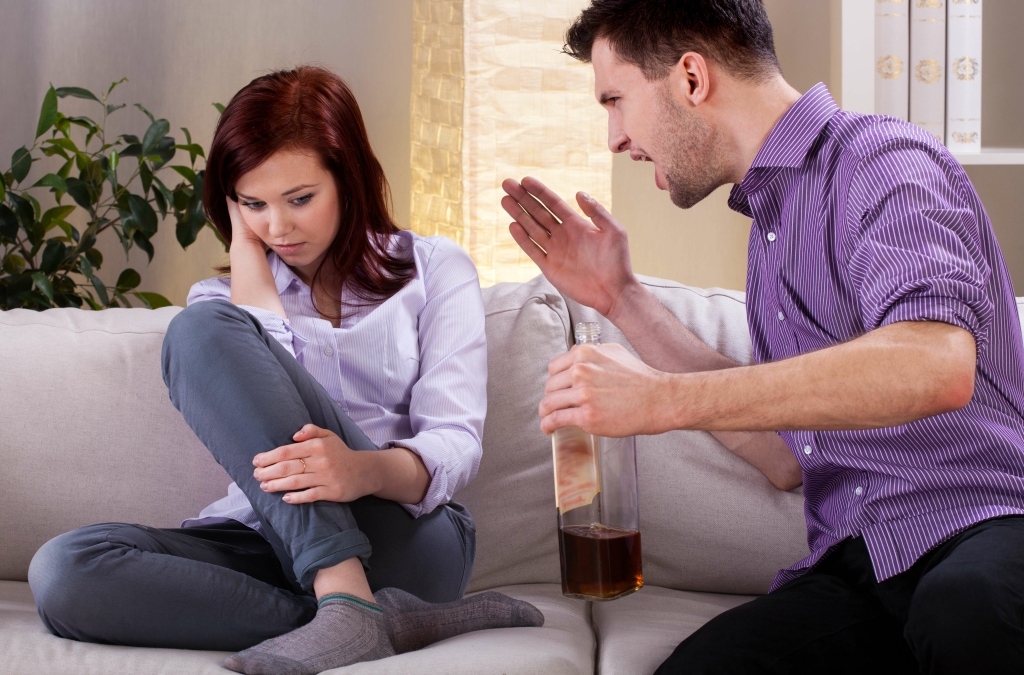
Day 30
Depending on whether you’re a light or heavy drinker, your strategy around cutting back will be different. “For a light drinker, you don’t really need to taper,” says Dr. Mosquera. Some alcohol-related damage may be permanent, particularly in cases of severe, long-term consumption. Advanced liver cirrhosis, certain types of brain damage, and some cardiovascular complications may not fully reverse. However, stopping alcohol consumption always prevents further damage and often allows for partial recovery. Early withdrawal symptoms may begin within 6 to 12 hours, including mild anxiety, restlessness, difficulty sleeping, and slight tremors.
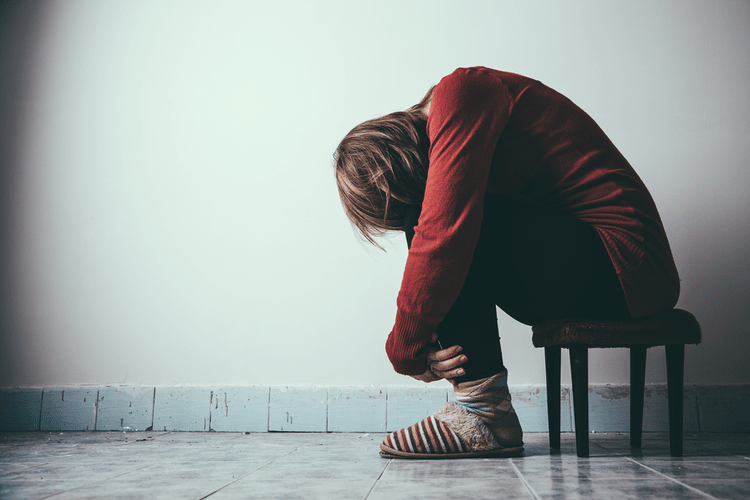
What are the Signs and Symptoms of Alcohol Addiction?
This is explored in more detail in our article on navigating early sobriety depression. Between 12 to 24 hours after the last alcoholic beverage, individuals undergoing detoxification experience alcohol detox side effects an escalation of withdrawal symptoms. During this period, the severity of symptoms ranges from mild to moderate, depending on the individual’s level of dependence and overall health. South Carolina Addiction Treatment offers medically supervised detox programs with small therapy groups, compassionate staff, and a safe space to begin recovery. According to SAMHSA TIP 45, inpatient detox is best for managing severe withdrawal and preparing for further treatment. The risks of relapse after detox are high, particularly within the first year, as individuals struggle with cravings, stress, and the psychological effects of alcohol addiction.